

777 for July
What I've been reading, watching, living through...
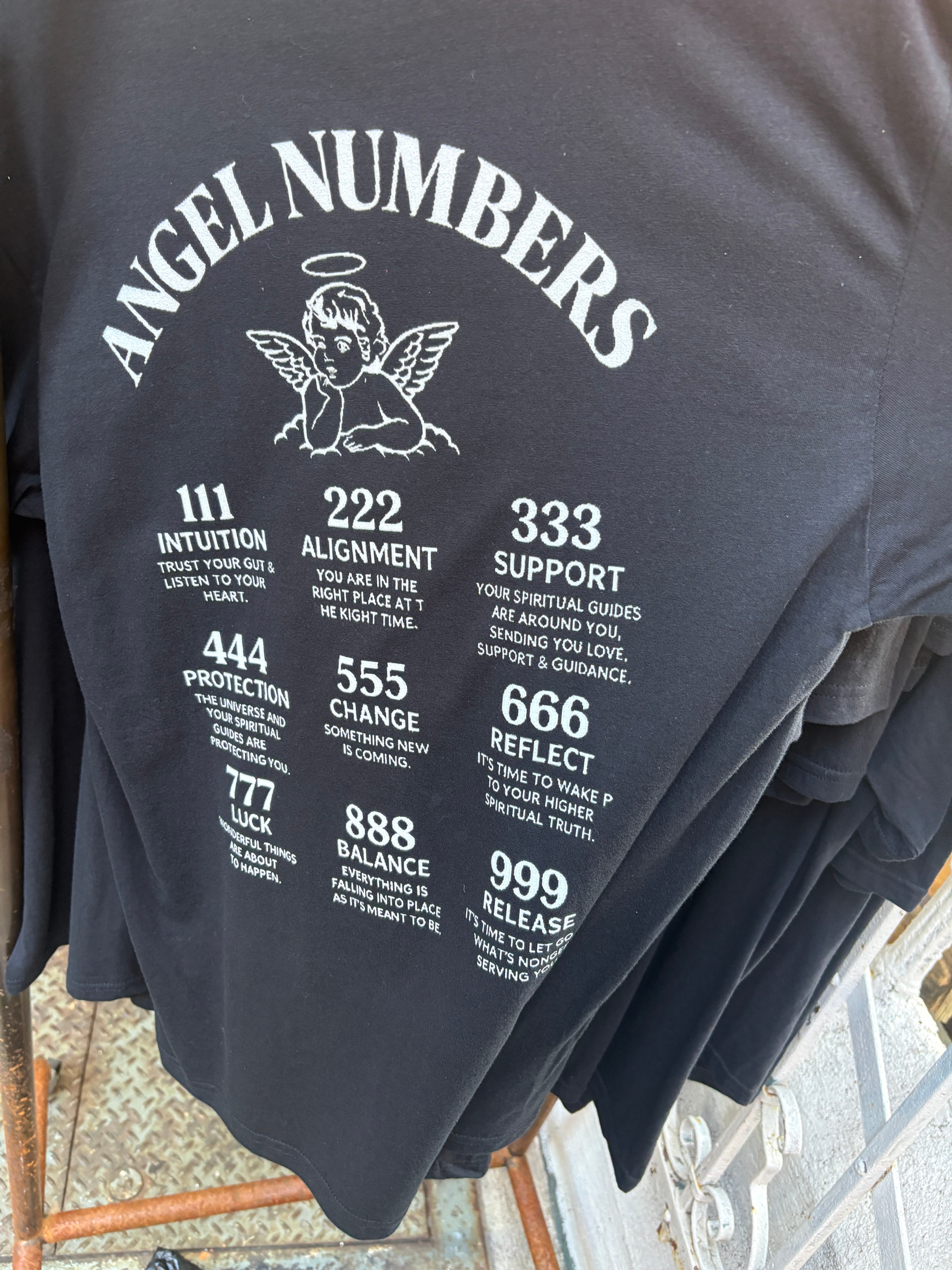
Nothing better than a good old listicle. I wanted to do a 2025 recap, and then winter came and went, and now the solstice’s passed too, so I figured I’d share what I’ve been enjoying before heading to a month-long residency in Vietnam (!). Format inspired by the angel numbers I keep seeing everywhere.
Before jumping in, I have about 25 zines left that still need to be claimed. (I made a zine for my 7-year NYC anniversary featuring contributions from 14 writer friends.) I will end up emailing everyone who signs up a PDF.
7 Shows
Crocodile, a one-act play by Patrick Hamilton (July 16, July 18, July 21)
My boyfriend’s fifth play is opening Thursday at Chain Theatre’s Summer One-Act Festival. It’s a 20-minute two-hander, starring him and Freja Zeuthen, who had a recurring role on FX’s Love Story. There are shades of Rob Reiner’s Misery and Cate Shortland’s Berlin Syndrome in the script; it’s about a man who is forced to face the consequences of a one-night stand. If you come to the closing performance (July 21), I’ll have some zines on hand. Link to the tickets here.
Automata Mon Amour by Paul Chan at Greene Naftali
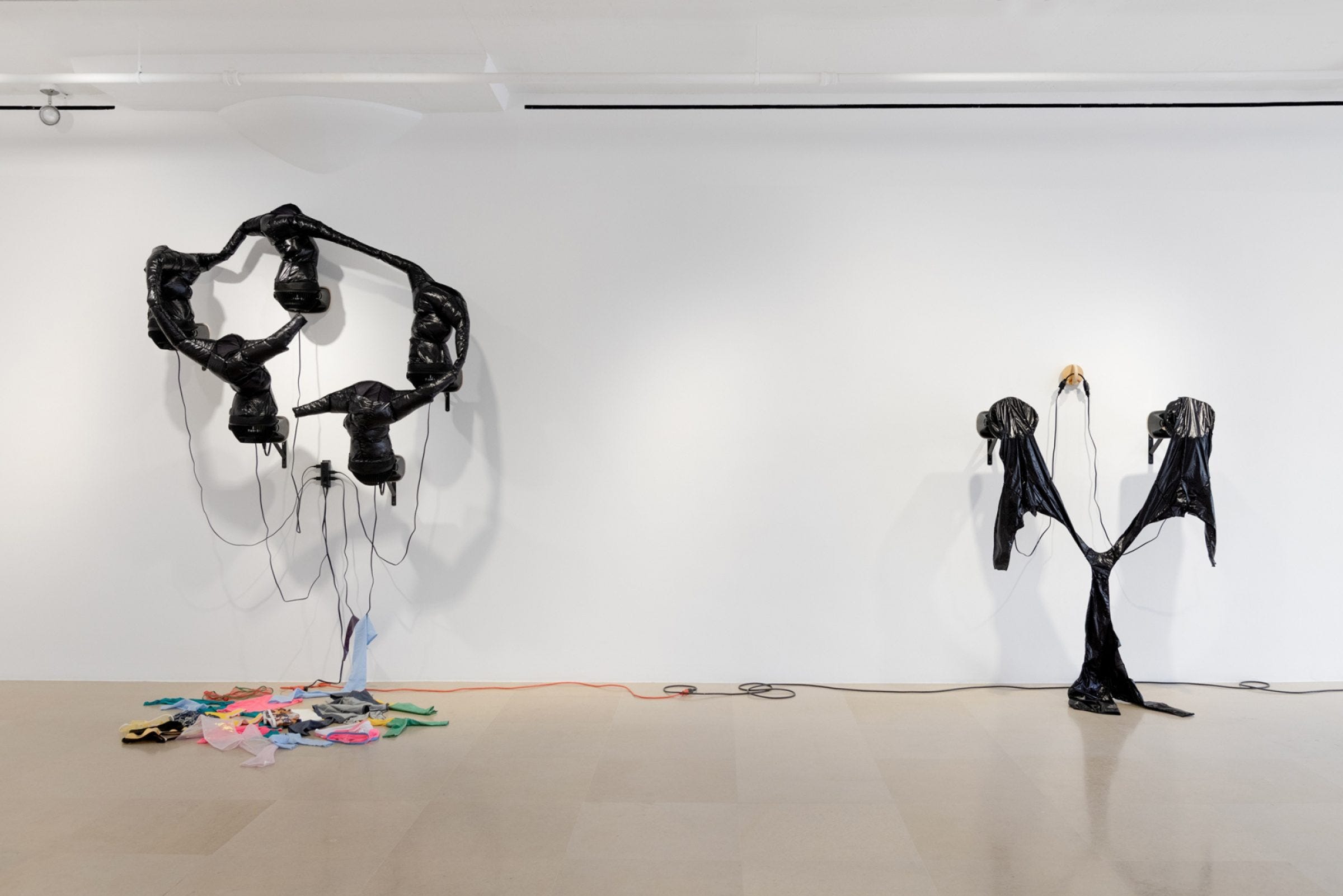
It’s a strange feeling—to feel so frightened by an object or image that looking at it becomes unbearable. Before Chan’s show, I’ve only experienced this twice: in one of Yayoi Kusama’s dot-filled rooms, where a friend had to drag me out, and at Art Basel in front of a painting by Lola Gil (one of the scariest painters working today). I can’t pinpoint exactly what it was about Chan’s automated balloon sculptures that activated my fight-or-flight instincts, as the figures reminded me of inflatable tube men, but more humanoid (and perhaps less harmless). There was something so ghastly about their disembodied mechanical flailing, as if a spirit was trapped inside and fighting to get out. I left after five minutes, deeply disturbed.
New Humans: Memories of the Future at The New Museum (on view until August 9)
Since moving downtown in 2024, I’ve been eager for The New Museum to reopen its doors. A defining New York memory of mine is spending an entire day there in 2019, hypnotized by Mika Rottenberg’s Spaghetti Blockchain show. One of my favorite pieces in New Humans was Alison Knowles’ House of Dust (1967), a computerized poem made up of quatrains, each one beginning with the phrase “a house of”: A HOUSE OF PLASTIC / IN A WARM WINDY TERRAIN / USING NATURAL LIGHT / INHABITED BY LITTLE BOYS
(your) body is a porous language, curated by Edwin Torres at Ann Street Gallery
I studied with Edwin last semester in a project-based class that was largely self-guided. When I learned that he was curating his first-ever visual arts show, it occurred to me that there are parallels between curating and writing poetry; a curator’s work revolves around establishing thematic and visual connections—and helping the viewer make those associations—between seemingly unrelated artists, images, and ideas. The show’s title belies a direct address, an invitation to consider one’s own permeability in the world: How is my body speaking, relating, engaging? How might a painting, a sculpture, or a poem incite embodiment, or replicate a sense of embodiment?
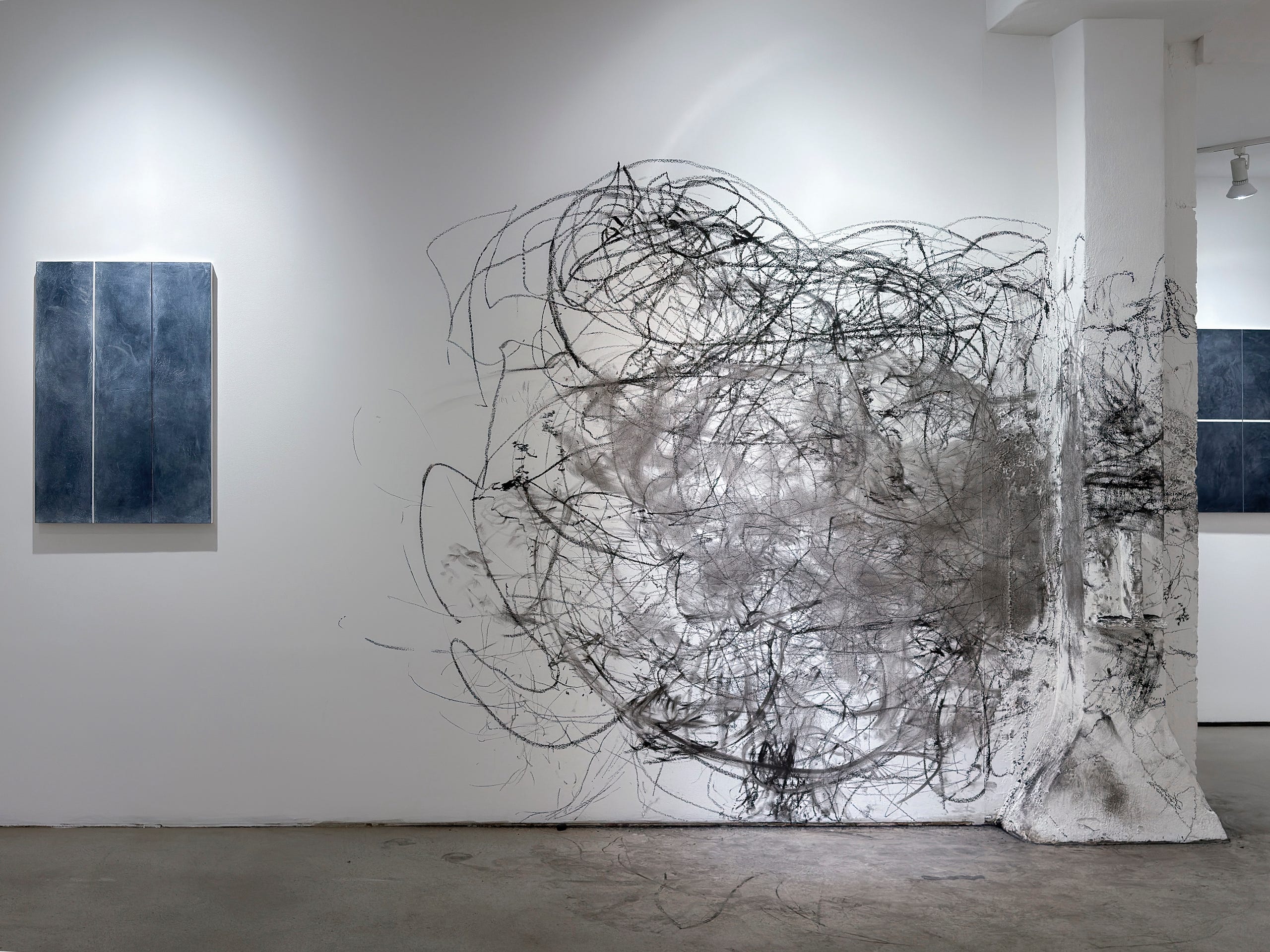
One of my favorite pieces was Elizabeth Castagna’s site-specific charcoal movement drawings. Castagna worked in seven seven-minute intervals (a total of 49 minutes), drawing through different “layers” of her body: bone marrow, bone, ligament/tendon, muscle, fascia, skin, and pores.
Titus Andronicus at Red Bull Theatre. I was on a Shakespeare kick last year, and it was a delight to see this on the stage, with Patrick Page as the revenge-seeking Roman general. Titus is Shakespeare’s first tragedy and one of his goriest, but I liked how this production leaned into its underlying campiness.
LINES, a play by Bellamy Brewster and Ewan Lloyd
I like movies about movie-making and books about writers, so I was drawn to the premise of LINES, a play about the actorly sacrifices made in the audition room. Led by the elusive figure of the Moderator, seven actors with varying experiences and skillsets gather in a waiting room, are given instructions to perform from a black book, and are gradually eliminated.
The production and set design were stellar, although I found myself unconvinced by—or even entirely sure of—the play’s stakes once the audition was narrowed down to the final two contenders: Julia, a veteran actress, and Marcus, a Marine-turned-actor. Julia ultimately prevails. I like it when a play indulges in a bit of mystery, but here too many narrative threads felt insufficiently developed, undermining the work’s emotional resonance. We get a glimpse of the existential dread that follows an actor’s elimination, but those moments are fast and fleeting, serving to amp up dramatic tension, leaving LINES’ larger psychological and emotional consequences frustratingly underexamined.
7 Books
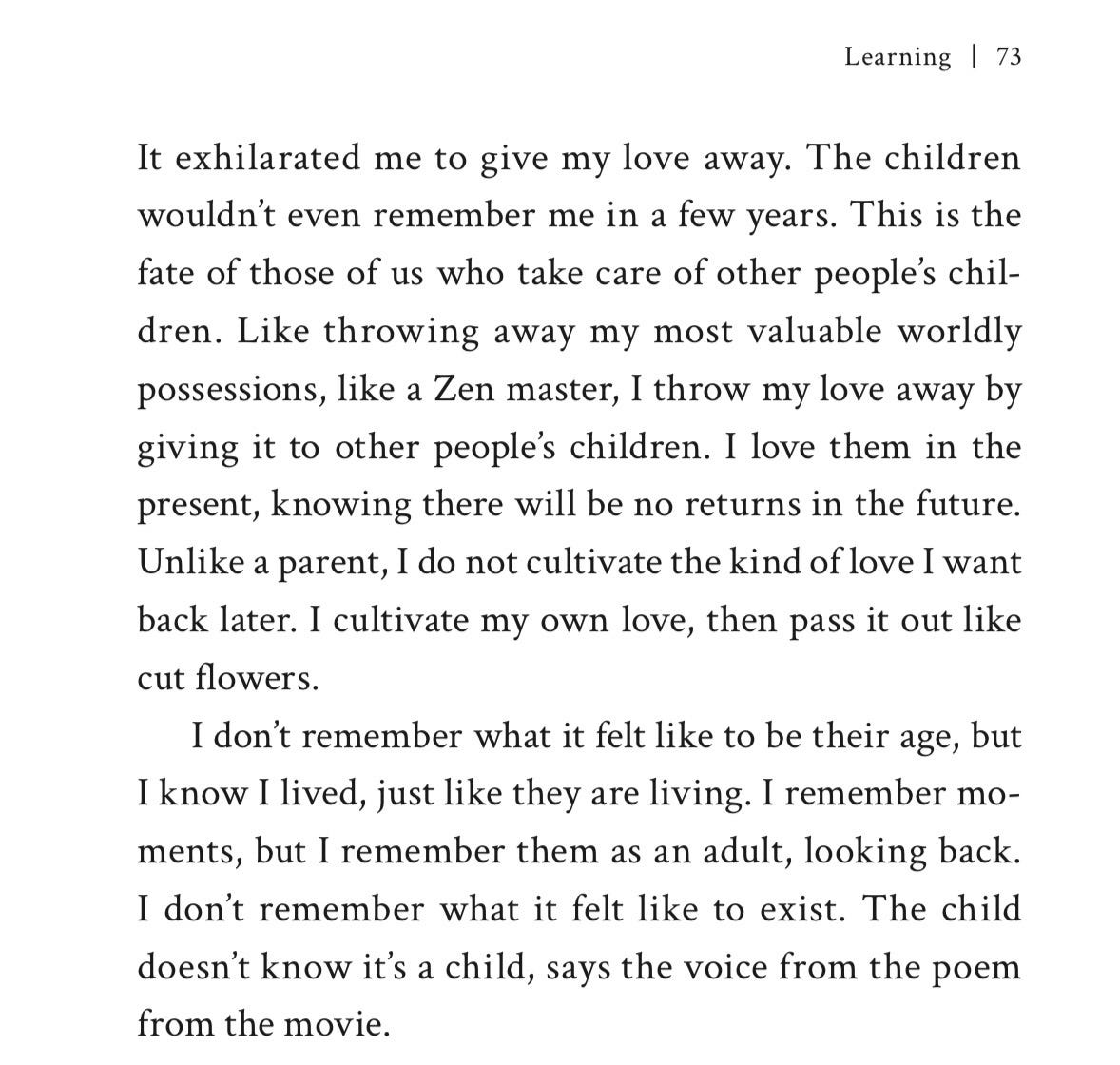
Learning by Courtney Bush. If “genius is no more than childhood captured at will,” per Baudelaire, then Courtney’s a genius. She’s also hilarious and cool, which is frankly unfair. It’s hard to explain what Learning did to me, a person who rarely engages with kids, but I was profoundly moved by the narrator’s earnestness. I cried twice and put on the Moana soundtrack. I endorse Niina Pollari’s review in Zona Motel.
The Oyster Diaries by Nancy Lemann, though I prefer her vintage Lives of the Saints.
After Lorca by Jack Spicer. I love reading a dead guy writing to another (older) dead guy. And this gem of an idea: “A really perfect poem has an infinitely small vocabulary.”
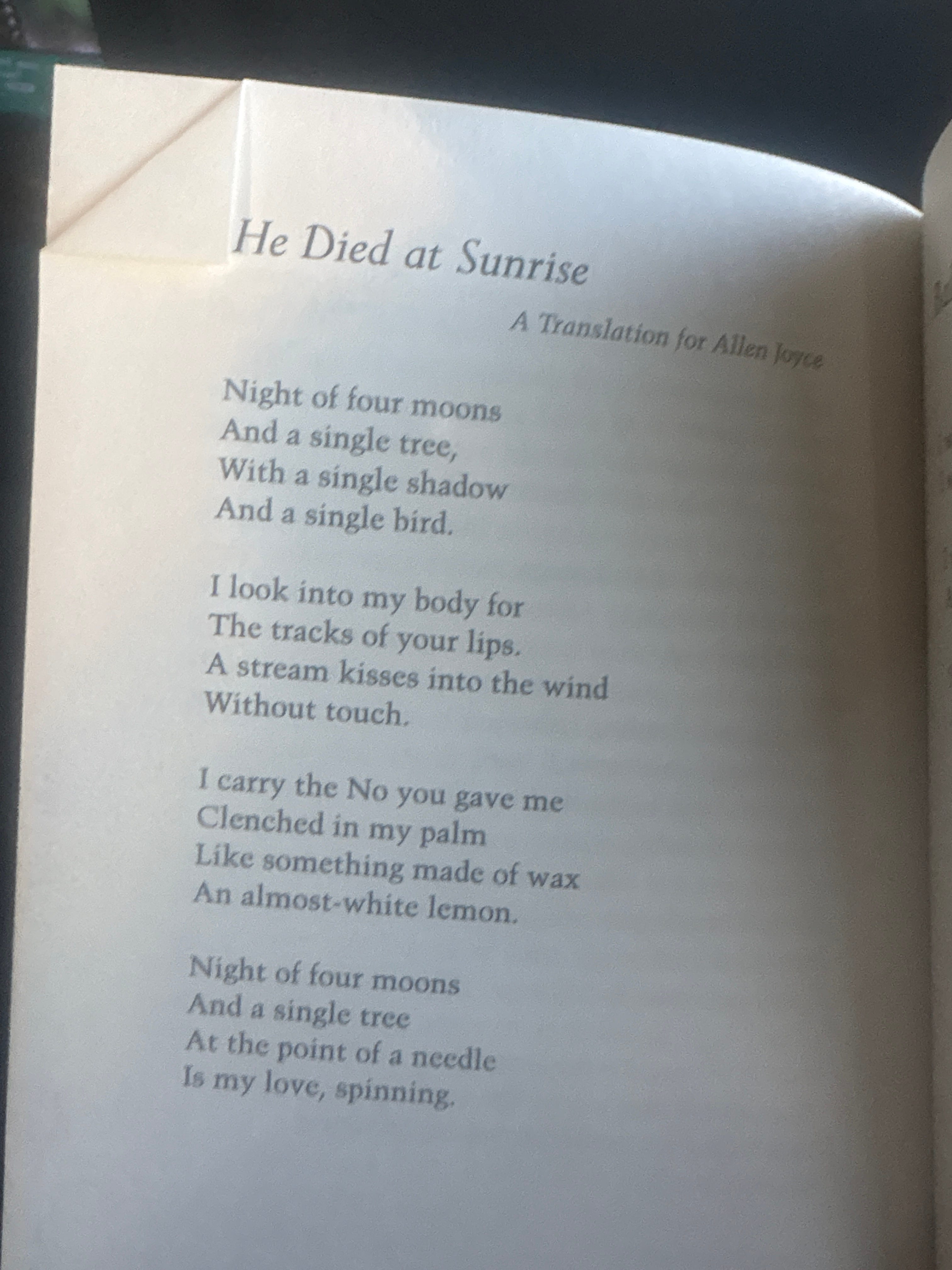
You Da One by Jennif(f)er Tamayo. Like the Rihanna song.
The Blue Clerk by Dionne Brand. I mean this in the best way, but it’s kind of like a grown-up Bluets.
Blindness by Jose Saramago.
INRI by Raul Zurita. I briefly thought about including this in “Heat Wave Horrors” but decided against it. Zurita is a prominent Chilean leftist poet who survived the Pinochet regime, which was responsible for kidnapping and executing thousands of Chilean activists in the 1970s, many of whom were Zurita's friends. The regime did not admit to the "disappearances" until decades later. People were tortured, taken to the desert, had their eyes gouged out, dismembered, and thrown into the Chilean landscape. No one witnessed these crimes, not even Zurita, and yet he writes to commemorate the memory of this violence.
Zurita: “Forgetting is impossible. But what you do with that memory, what you do with that inability to forget is a different story. I think that, in terms of this reality, you are obligated to a certain intensity, a certain force ... Even if it's completely utopian, completely mad, the force to continue [means] wagering on the possibility of the construction of a paradise…”
7 Movies
Blue Film (2025) by Elliott Tuttle. Hands down, the best new film I’ve seen all year. A “transgressive” chamber piece, set during a late-night encounter between a client and a camboy. What is sex good for? Does it bring us closer to God or each other? Is there purity in perversion? I’m working on a longer piece that brings Blue Film in conversation with Katarina Zhu’s BunnyLovr. Read Elissa Suh’s interview with Tuttle.
Backrooms (2026) by Kane Parsons. I thought Backrooms was an interesting case study into how a viral, amorphous aesthetic/visual concept can be developed into a narrative feature. (Again, narrative vs. database.) The script was fine but I’m not convinced that a film was the best form for it; HBO should’ve made it into a Black Mirror-y anthology TV series or… a video game?
Cyclo (1995) by Tran Anh Hung. Tony Leung plays a Vietnamese poet-pimp-gangster. A perfect movie.
Sirat (2025) by Oliver Laxe. A good date movie to make sure your creative, philosophical, and religious values are aligned. Saw it on Valentine’s Day.
Desk Set (1957) by Walter Lang. Thoroughly charmed by this office rom-com with its prescient commentary on AI workplace integrations. Katherine Hepburn, the human encyclopedia/head of the reference department, frets over being displaced by an “electronic brain,” engineered by Spencer Tracy.
Star80 (1983) by Bob Fosse. I saw this at the Roxy, as part of a Whitney Review event. It’s a hard watch and veers into exploitation territory (Fosse’s a sick fuck for filming in the location where Playmate and actress Dorothy Stratten was murdered by her ex-boyfriend Paul Snider), but there’s something… charmingly homoerotic about Fosse’s obsession with Snider.
The Passion According to G.H. (2023) by Luiz Fernando Carvalho. I saw it at BAM with Michelle Santiago Cortés and we couldn’t stop fawning over the wardrobe. Now this is how you dress a rich woman having a breakdown! Superb performance from Maria Fernanda Cândido, who was tasked with the impossible.
Love your mind! Also love Nancy Lemann, going back home to nola soon, need to grab The Oyster Diaries...
Well you already know how I feel about Learning, but I also love You Da One. And Zurita deserves the Nobel.